
One weekend in October 2026 a special networking meeting took place: Survivors and relatives of those affected by the right, Racist and anti-Semitic violence from Norway and Germany occurred in Oslo and Utøya together. Was there too the Kassel solidarity group B. Eph 09, those of the racist murder attempt on B. Efe remembers and fights for education and financial compensation. A report about a trip from Kassel to Norway and the power of remembrance.
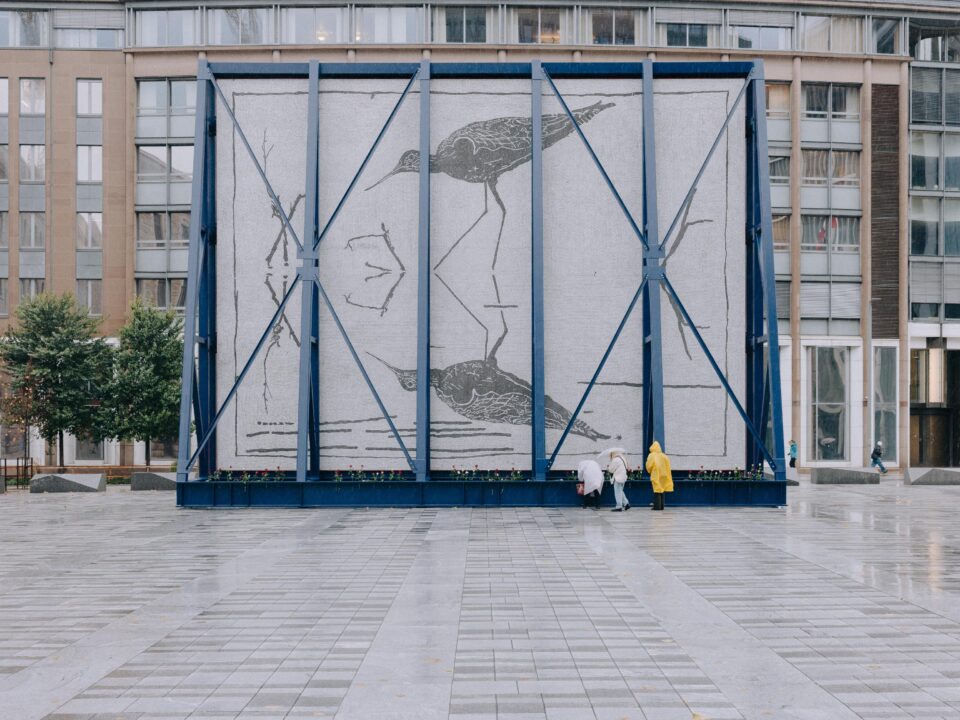
On a rainy evening in the middle of Oslo, people from the solidarity network of those affected were sitting on the right, racist and anti-Semitic violence in Germany together with relatives and survivors of the right-wing terrorist attacks in Oslo and on Utøya in the year 2011 in a room. A conversation developed in at least four languages about survival, the loss of loved ones, lack of government support, Police failure, social forgetting and the hope for change.
Despite different experiences and social conditions, commonalities continued to emerge: the desire for international networking, mutual exchange and learning from each other. But also shared anger about social conditions and the lack of political changes. It quickly became clear: The struggles of those affected are similar across national borders. And the response to right-wing terror must also be a common one – an international one.
The solidarity network in Germany
For four years, survivors and family members of those murdered by right-wing terror have been organizing together with supporters:inside in the so-called nationwide solidarity network of those affected by right-wing extremism, racist and anti-Semitic violence and police violence. At first there were just a few initiatives, are over today 25 Initiatives from Germany active. They meet regularly, support each other in their struggles and develop political demands together. Those affected have been campaigning for remembrance for decades, Reprocessing, financial compensation and political change. The network is based on these experiences.
The initiatives involved, in. a. from Dortmund, Dessau, Mölln, Solingen, Munich, Halle, Merseburg, Kassel, Duisburg, Berlin, Kleve, Hamburg, Rostock, Nürnberg, Cologne and Eberswalde, bring out the experiences 40 Years of right-wing terror and society's ignoring of this violence. At the same time they represent the strength and endurance of 40 years of resistance: for enlightenment, dignified remembrance and social change.
What happened in Norway?
Am 22. July 2011 were killed in a right-wing terrorist attack in Norway 77 People murdered. The perpetrator first planted a bomb in the Oslo government district, The explosion killed eight people. He then drove to about 30 Minutes away is the island of Utøya. He murdered there 69 teenagers, those at the working youth summer camp, the youth organization of the Norwegian Workers' Party, participated. Over survived on the island alone 400 People.
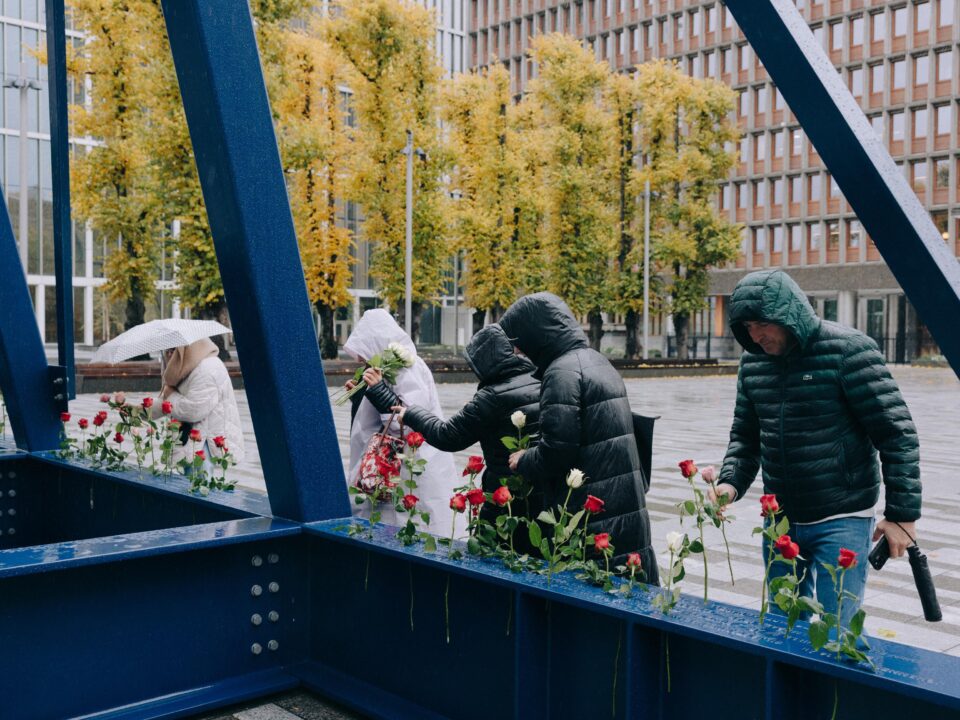
There was great outrage over the right-wing extremist terrorist attack in Norway. Shortly afterwards, hundreds of thousands of people took to the streets. The attack was long understood as an attack on everyone in Norway. First 2019 emphasized the association of the bereaved and survivors, that this was not an attack on all people in Norway, but rather specifically against the Workers' Party, their youth organization and their anti-racist stance.
Survivors and relatives of those murdered gathered in the The support group after 22. July together. The organization includes more than 2.000 People, which organize themselves into regional groups and are represented by a national leadership. The focus is on peer-to-peer support, i.e. the mutual exchange on current topics. An example is the question, how experiences of suffering and loss can be passed on to one's own children. At the same time, the organization represents the interests of its members vis-à-vis state authorities and advocates for their concerns. The dignified memory of those murdered also plays a central role. What this memory work looks like in concrete terms, We were able to get to know particularly impressively during our visit to the island of Utøya.
The outlying island: Recall, Learn and take back the island

The island of Utøya has belonged to the island for decades Norwegian working class youth, which regularly organizes youth camps there, where young people come together, discuss political visions, laugh and spend time together. Am 22. July 2011 This place became the scene of a right-wing terrorist massacre. The perpetrator murdered 69 teenagers. Hundreds more survived, by hiding, barricaded or attempted to, to reach the mainland by swimming. The working youth decided 2015, to return to the island and organize youth camps there again. They decided together, not to let the island be taken away. Utøya should continue to be a place of political encounter, of shared learning and engagement.
As soon as they arrive on the island, visitors become:received inside with a message: Democracy is not something to be taken for granted. She needs to be protected every day, designed and fought for. Reference is also made to the long history of the island, which is characterized by both beautiful and painful experiences: You can laugh and cry here.
On the island the Støttegruppen set up etter 22. july and the working class youth through an established memorial- and learning center three principles.
Firstly, memory- and memorial work. The murdered should not be forgotten. Their stories and their lives are the focus of remembering. Secondly, learning about the act, the perpetrator's ideologies and the significance of this act for the present. It's about, not to make right-wing terror visible as an isolated event of the past, but to emphasize the social and political background. Thirdly, a space should be created for the engagement of young people, who are committed to anti-fascism and democracy.
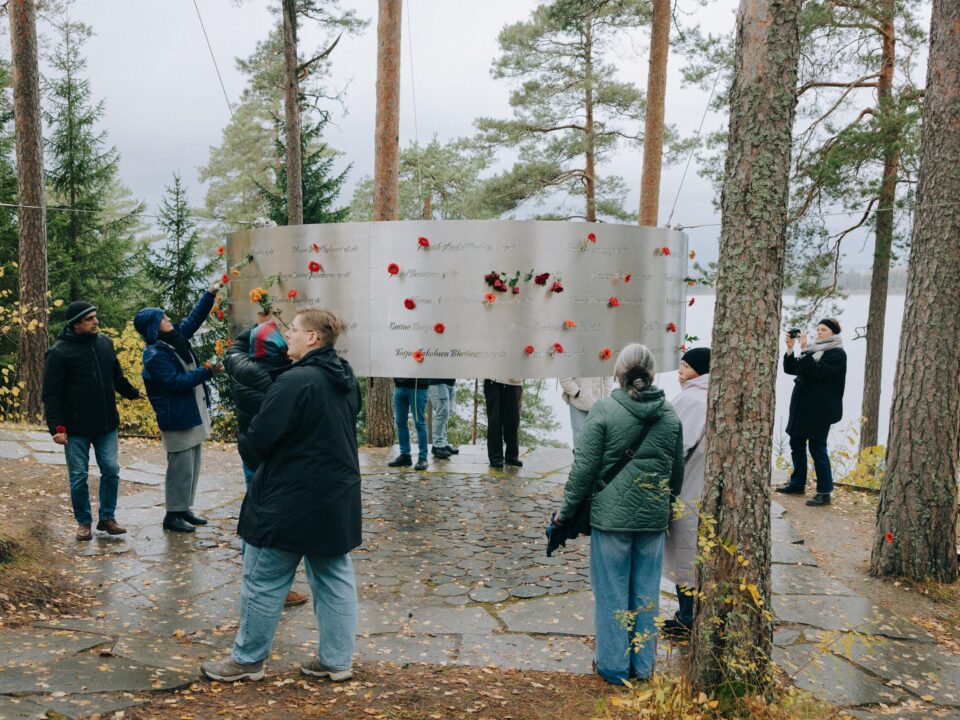
These different tasks are visible in different locations on the island. There is a memorial with the names of all those murdered. In the middle there is a new building with a kitchen, Canteen and seminar rooms. Right next to it is the so-called Hegnhuset, which one 2016 was newly built and surrounds parts of the old cafeteria building, in which thirteen young people were murdered. It's a place, where the traces of terror are particularly visible and where at the same time there is space for remembering, Learning and engagement was created.
A first step
The solidarity network tour group set off back with many impressions. The diverse forms of remembrance work and the cohesion of more than 100 people were particularly impressive 2.000 Relatives and survivors in the Støttegruppen etter 22. July. The continuous mutual support, show the common representation of interests and the commitment to dignified commemoration, what political power lies in self-organization.
At the same time, it became painfully clear again, that right-wing terror does not stop at national borders. Right-wing extremist perpetrators relate to each other, adopt similar ideologies and see their actions as part of a common political struggle. For example, this referred to the Munich attacker 2016, who murdered nine people, on the attack and the ideologies of Oslo and Utøya.

When perpetrators refer to each other internationally, Those affected also have to, Relatives and supporters:work together internationally. Exchange is needed, mutual support and common political struggles. It's about, to learn from each other, Sharing experiences and working together to educate people, Compensation, dignified remembrance and a society without racism, anti-Semitism and right-wing terror.
The networking meeting in Norway was an important first step. Solidarity and shared political perspectives can emerge from encounters. And solidarity can lead to shared resistance.
or, like B. Efe put it at the meeting:
“We have to take to the streets together,
then we will be strong and many.”